- Головна/
- Publications/
- llegal Logging as a Form of Organized Crime: Prevention and Counteraction
llegal Logging as a Form of Organized Crime: Prevention and Counteraction

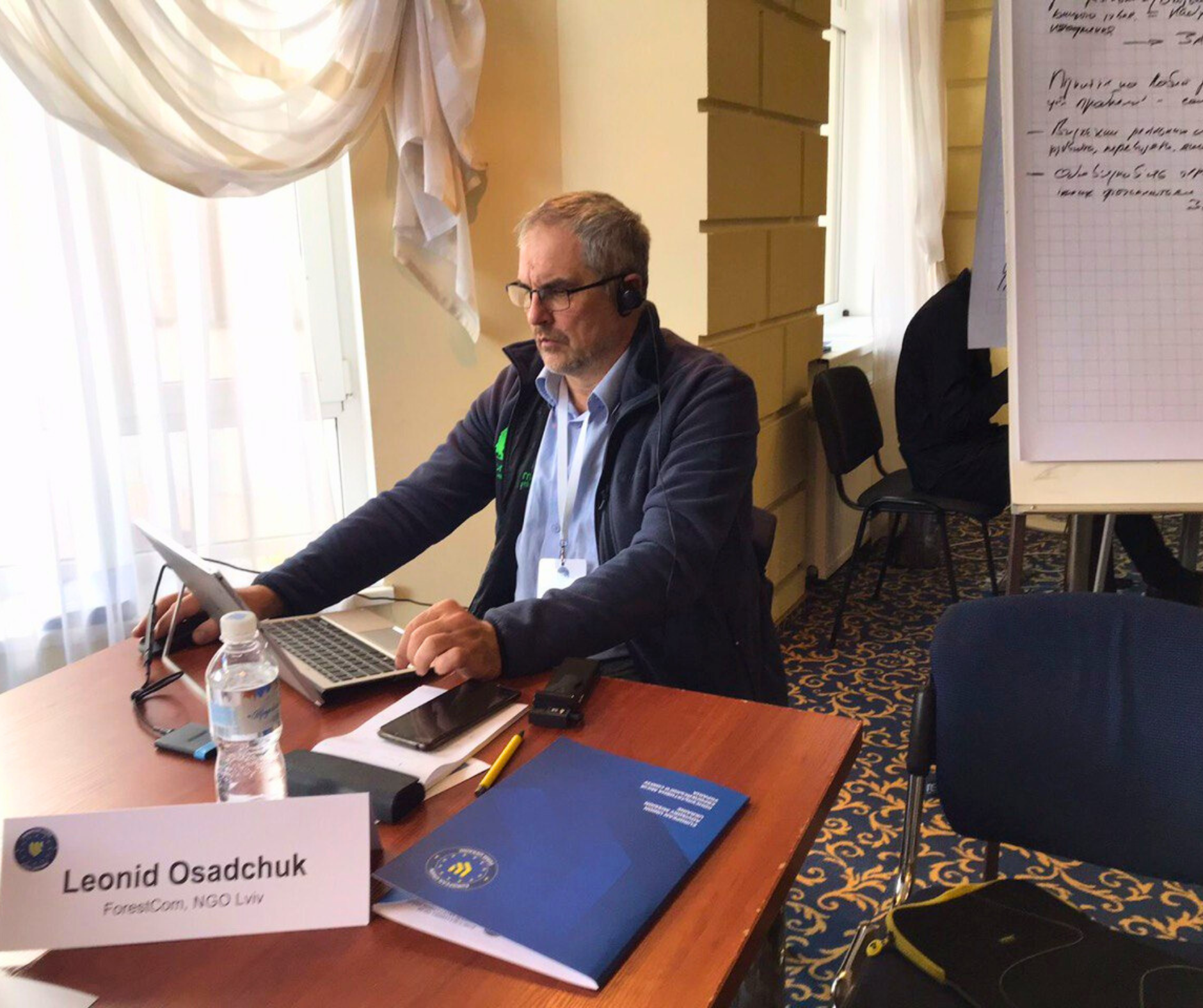
On January 28-29, the European Union Advisory Mission (EUAM) in Ukraine organized a seminar in Truskavets to highlight and develop effective strategies against organized crime and corruption, particularly in illegal logging. The event brought together law enforcement representatives, civil society organizations, and media from western Ukraine.
Organized crime and corruption pose numerous challenges, as illegal logging investigations reveal widespread corruption, fragmented forest management structures, blurred law enforcement jurisdictions, and well-organized criminal networks. This complexity necessitates a multi-faceted approach. Recognizing these challenges, EUAM Ukraine continues to work closely with Ukrainian partners to strengthen the fight against organized crime.
The two-day seminar aimed to identify the most effective mechanisms to combat illegal logging. Discussions focused on improving detection and prosecution of forest violations and illegal logging operations, while equipping law enforcement agencies, NGOs, and media representatives with resources and knowledge for conducting such complex investigations.
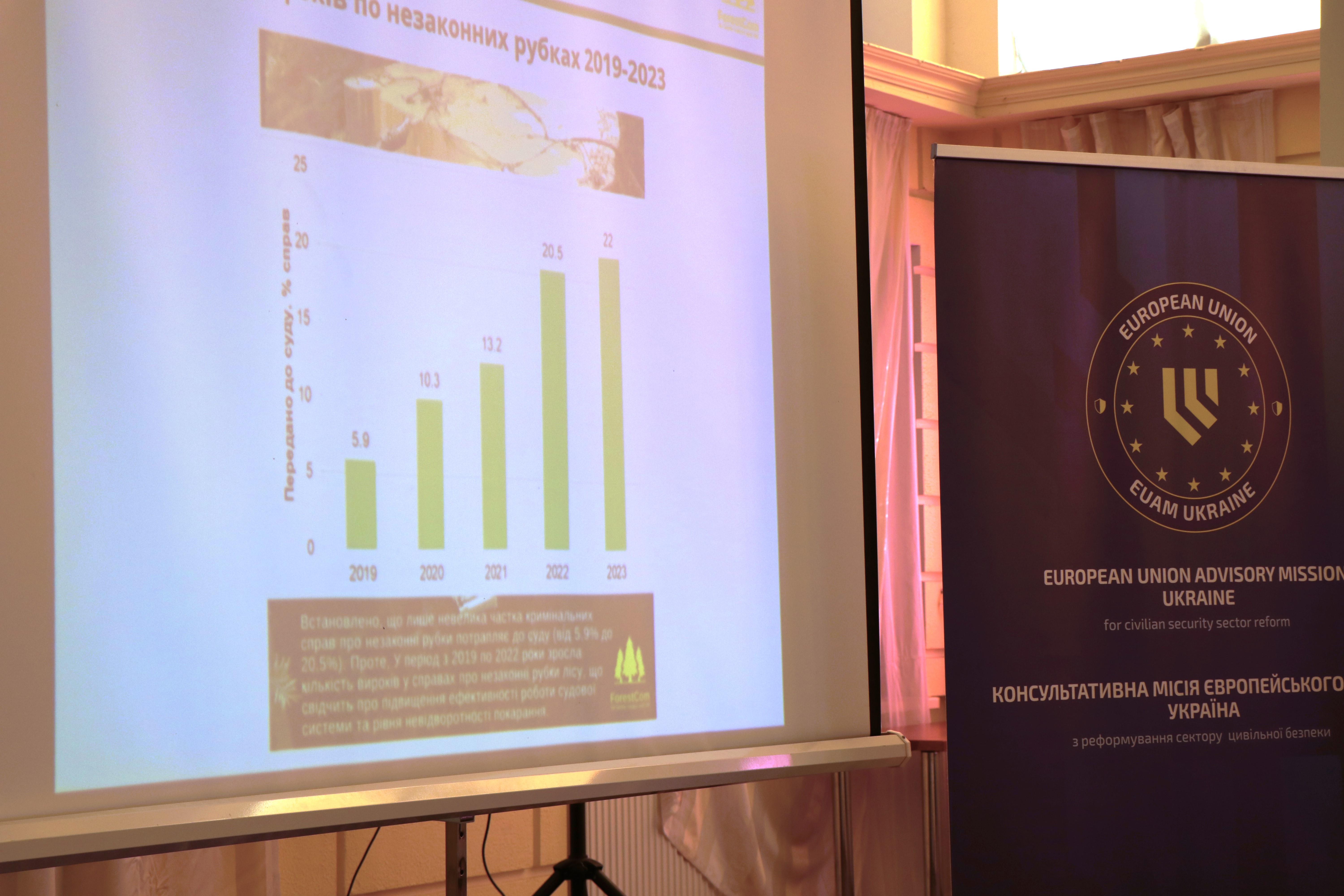
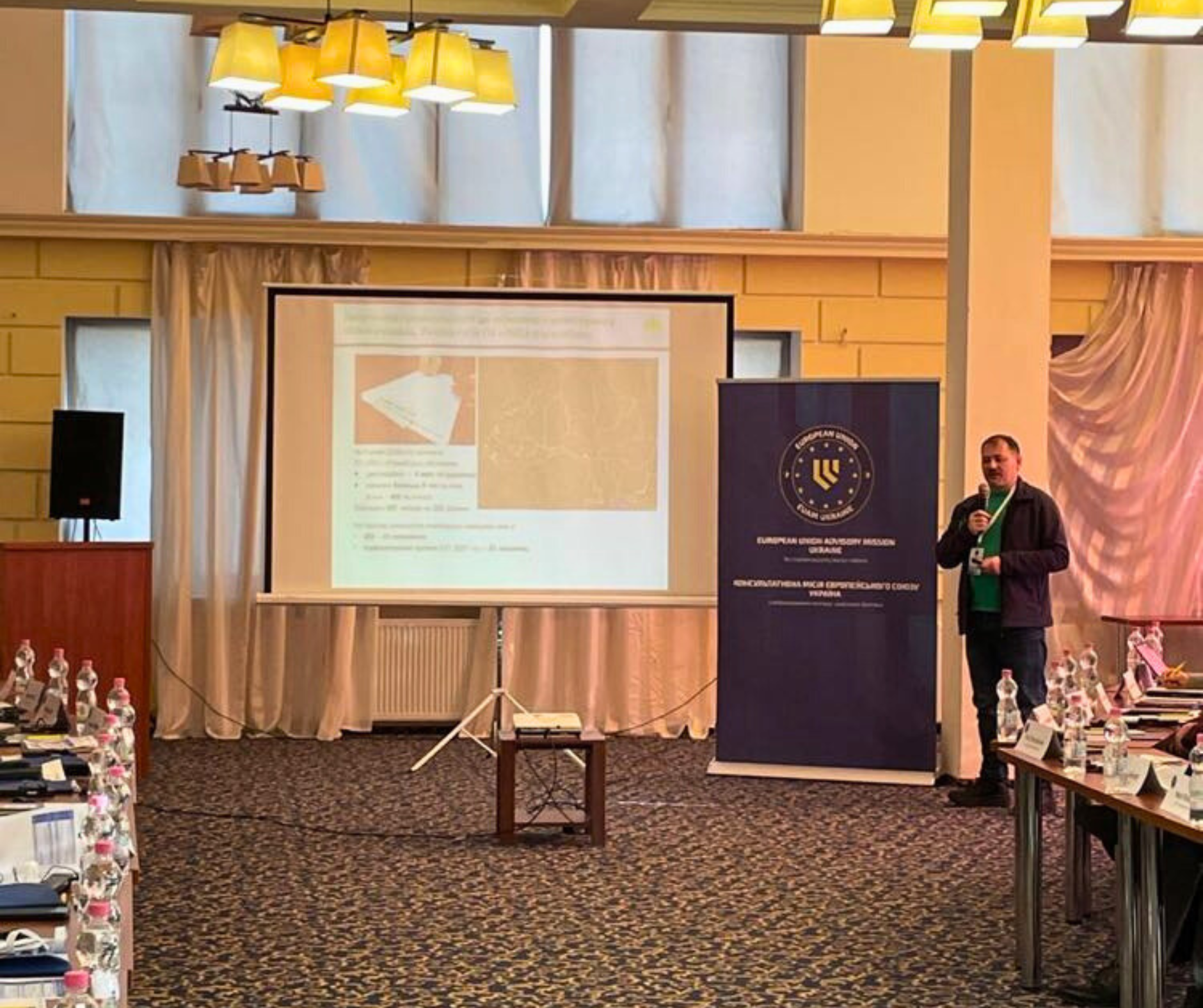
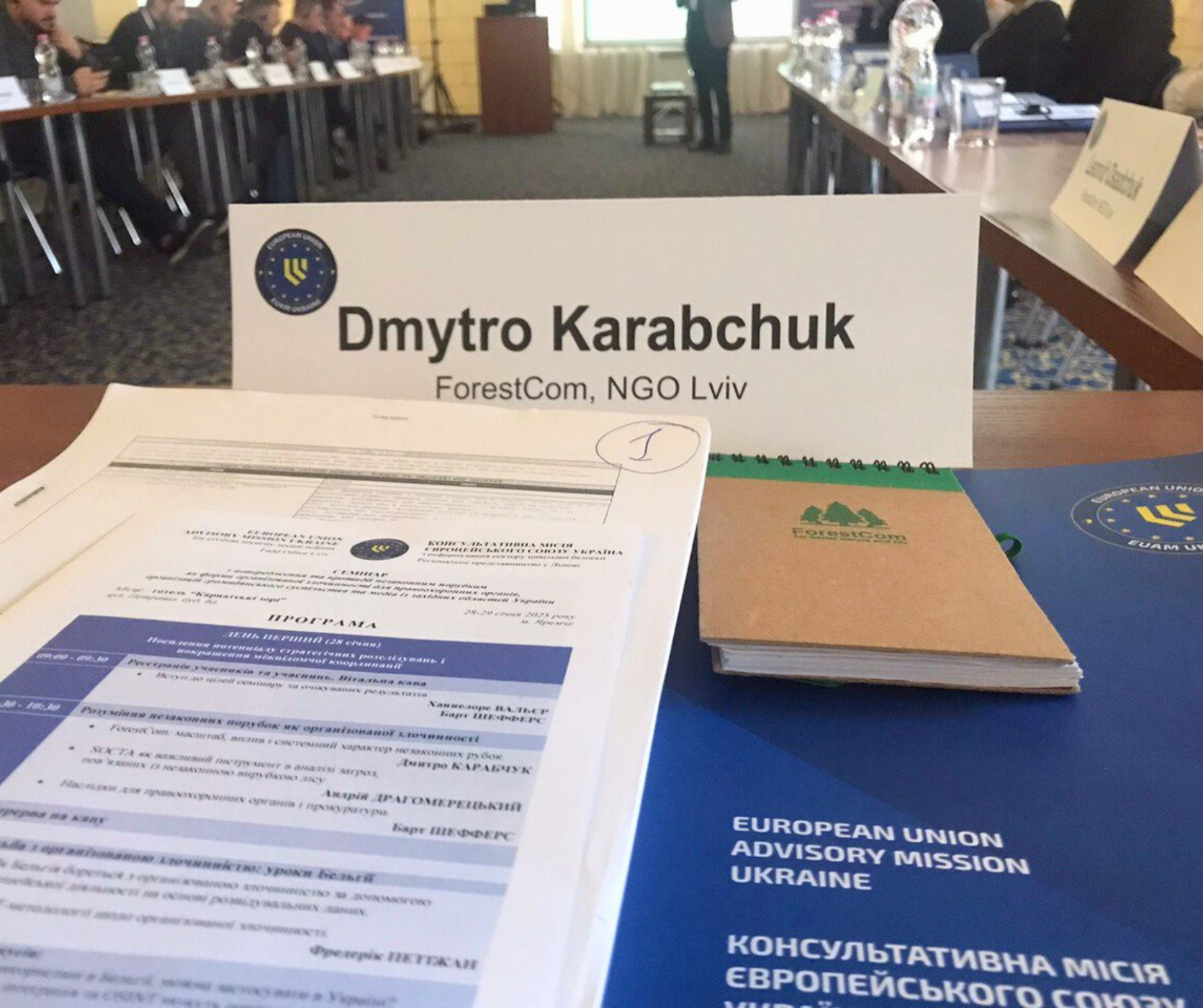
Dmytro Karabchuk, Executive Director of NGO "ForestCom," presented on the scale, impact, and systematic nature of illegal logging. ForestCom combats illegal logging through public engagement in ground-level monitoring of forest violations, periodic monitoring of Carpathian virgin forests, dendrochronological and botanical research, and verification of export goods classification.
Day one focused on strengthening strategic investigation capabilities and improving inter-agency coordination. Participants discussed illegal logging as organized crime and why SOCTA should recognize it as a national organized crime priority. Ukraine is currently focusing on implementing risk and threat analysis using Europol's SOCTA methodology and incorporating European international treaties on organized crime into national legislation.
Belgian colleagues shared their experience in intelligence-led policing against organized crime, while Lithuanian experts discussed financial investigations and prosecution techniques, including tracking illegal logging money flows and post-factum financial crime prosecution.
One of the most challenging tasks in fighting organized crime is effective counteraction within the context of fundamental governance reform. Participants discussed strengthening the legal framework and improving operational cooperation, including aspects of applying Ukrainian criminal and economic legislation to combat illegal logging and financial crimes.
The seminar reinforced the necessity of combining efforts and learning from international colleagues in the fight against organized crime and corruption.