- Головна/
- Publications/
- The Stranzul, Zadnya, and Kedryn Locality: A Botanical Reserve Under Threat
The Stranzul, Zadnya, and Kedryn Locality: A Botanical Reserve Under Threat
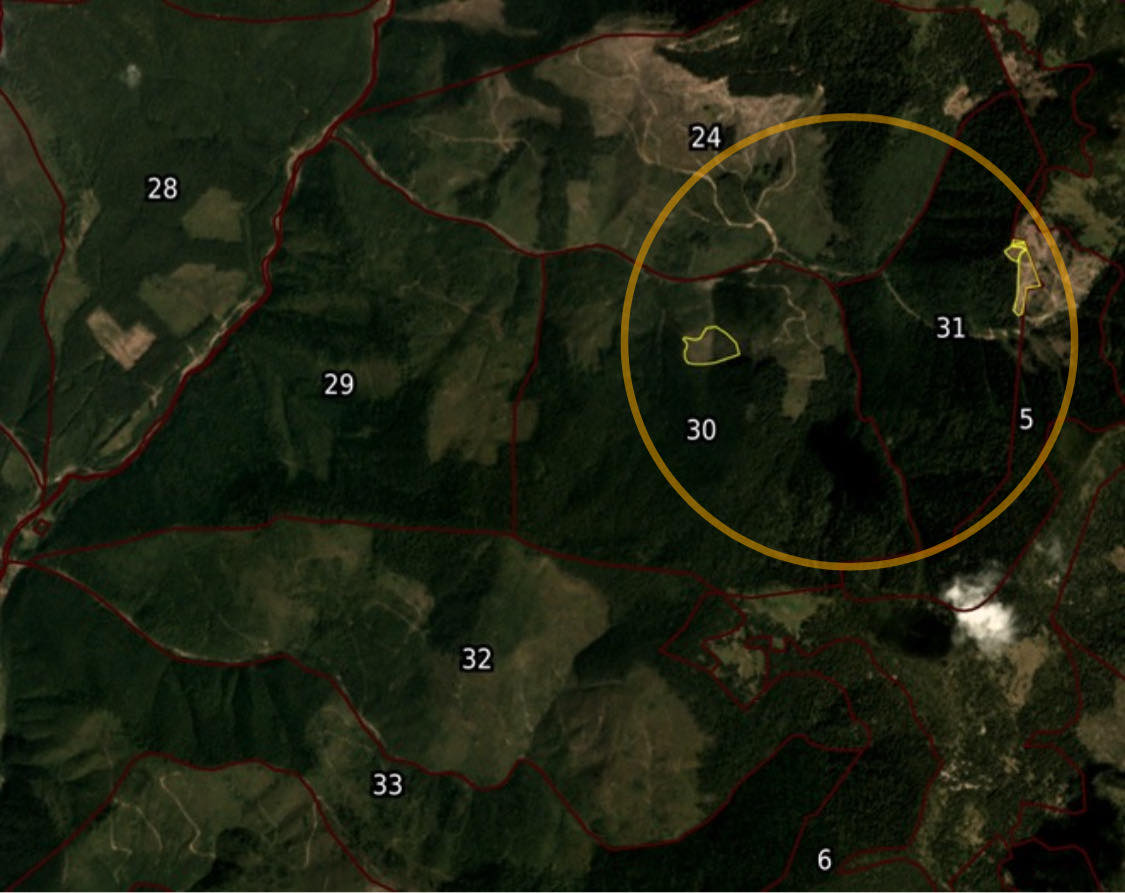
The Stranzul, Zadnya, and Kedryn Botanical Reserve of National Significance, which encompasses geographical areas bearing the same names, is located in the very heart of the Ukrainian Carpathians. The territory of the Stranzul locality is situated within the forest fund of the Bradulske Forestry, managed by the Mokrianske Forestry and Hunting Enterprise Filia (hereinafter referred to as the Forestry Unit).
This reserve is home to valuable species — including relict two-hundred-year-old spruces and firs, as well as the endangered Lycopodium annotinum (commonly known as stiff clubmoss), listed in the Red Book of Ukraine. The old-growth forests are inhabited by a wide array of fauna: red deer, brown bears, roe deer, lynx, capercaillies, owls, and dozens of other rare and vulnerable species. “Stranzul” is one of the few remaining islands of habitat for wildlife, increasingly pressured by human activity throughout the Carpathian forests.
According to the reserve’s founding documents, its primary purpose is the preservation of primeval forests and the protection of their inhabitants from any form of economic interference. But is the reserve's management fulfilling its responsibilities?
If it were, this article would likely not exist.
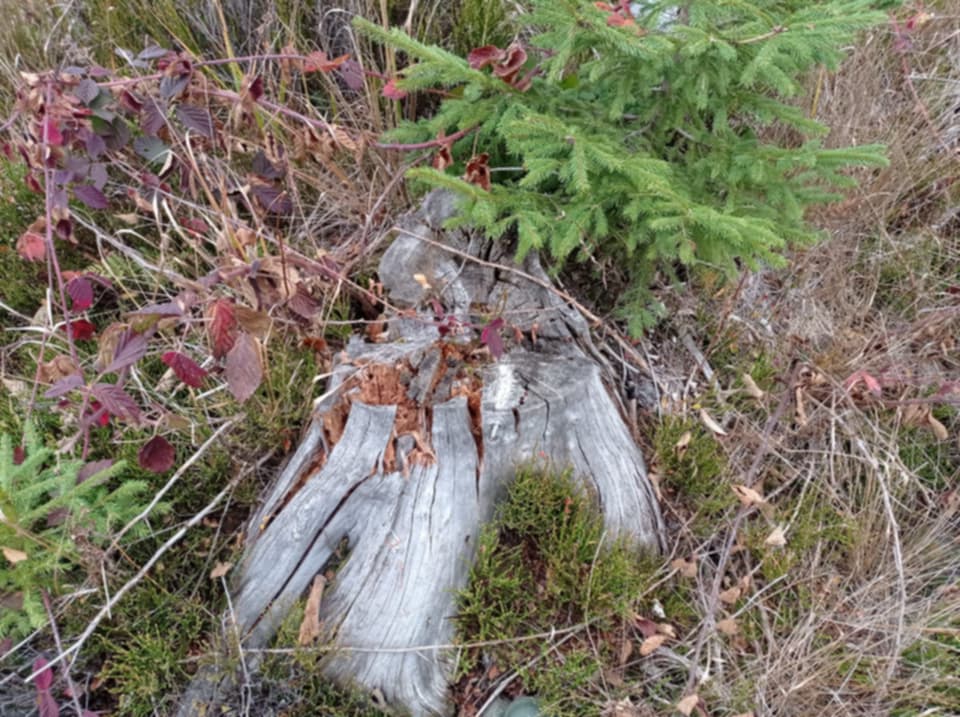
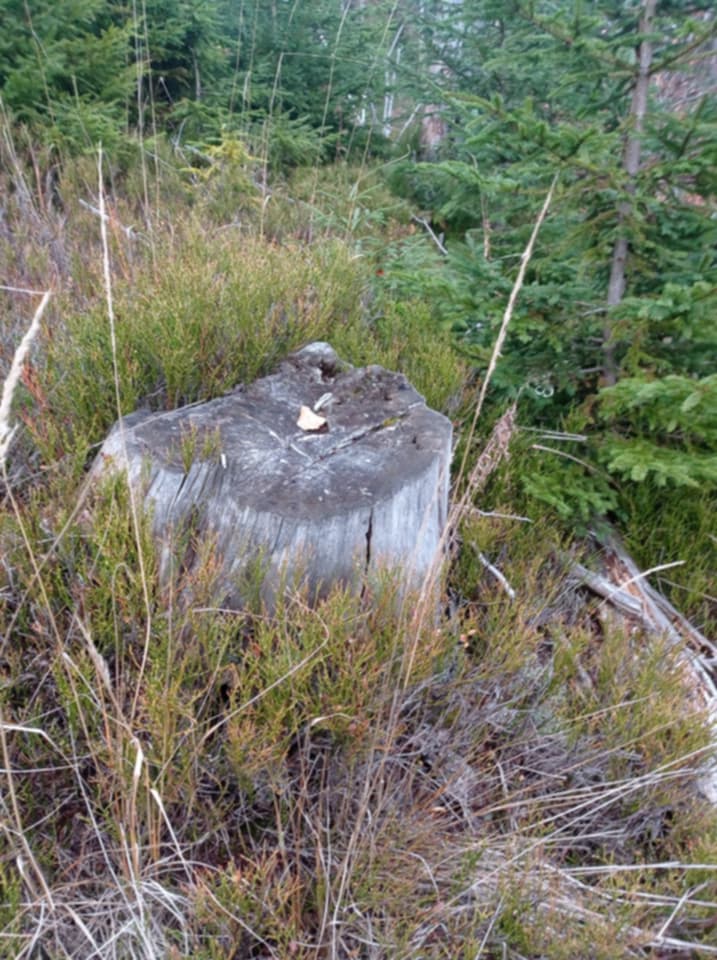
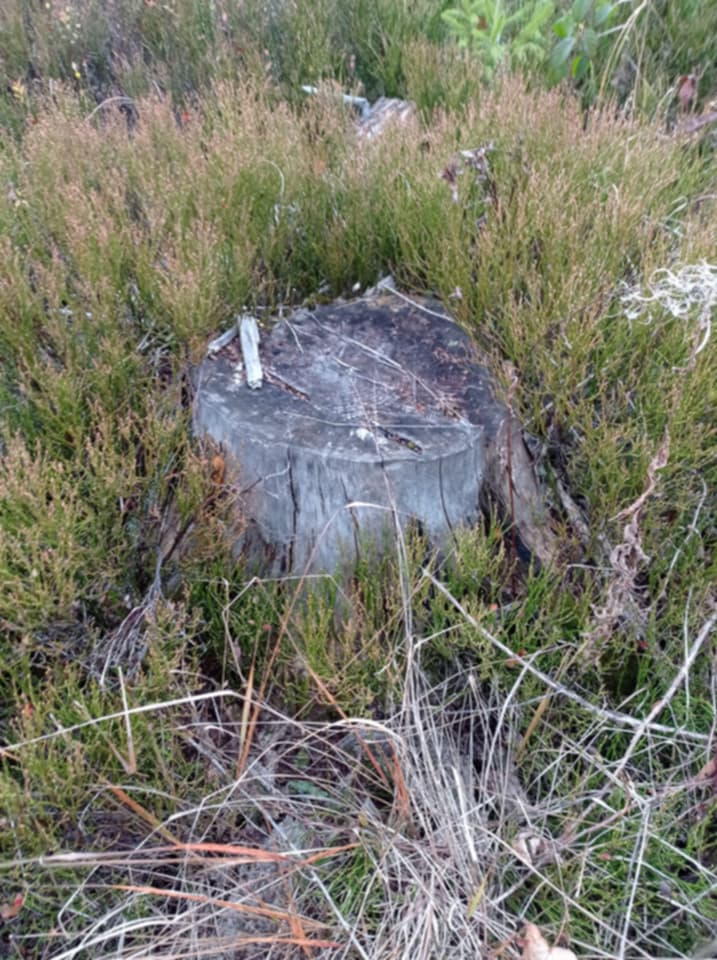
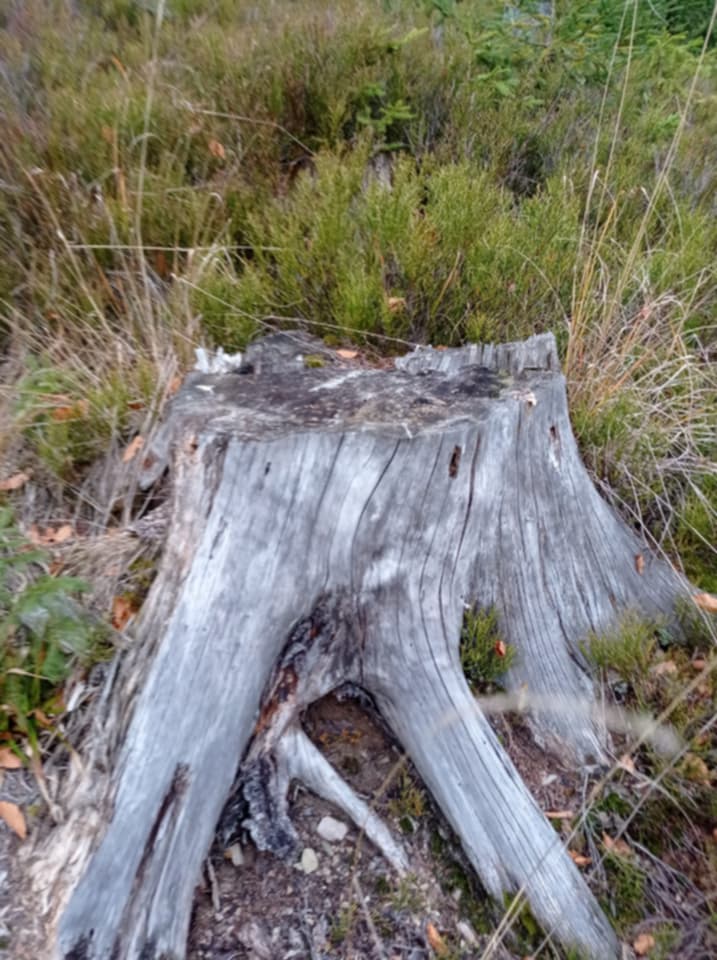
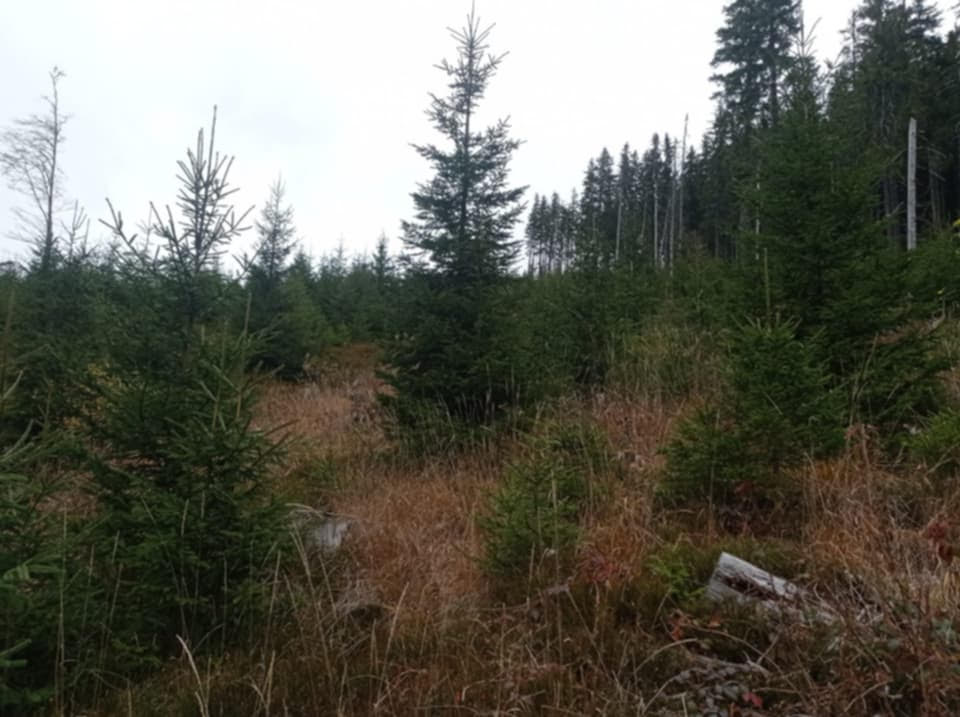
An investigative report by the Ecological Zakarpattia initiative, in cooperation with experts from the NGO ForestCom, has confirmed undeniable signs of large-scale logging activity within the reserve’s boundaries. These operations took place over an area of approximately 1.95 hectares between 2016 and 2018. Today, only moss-covered stumps remain on the site, but composite satellite images from PlanetScope and RapidEye clearly show deforestation in Compartment 31 of Bradulske Forestry (Subcompartments 1, 5, 8, and 9).
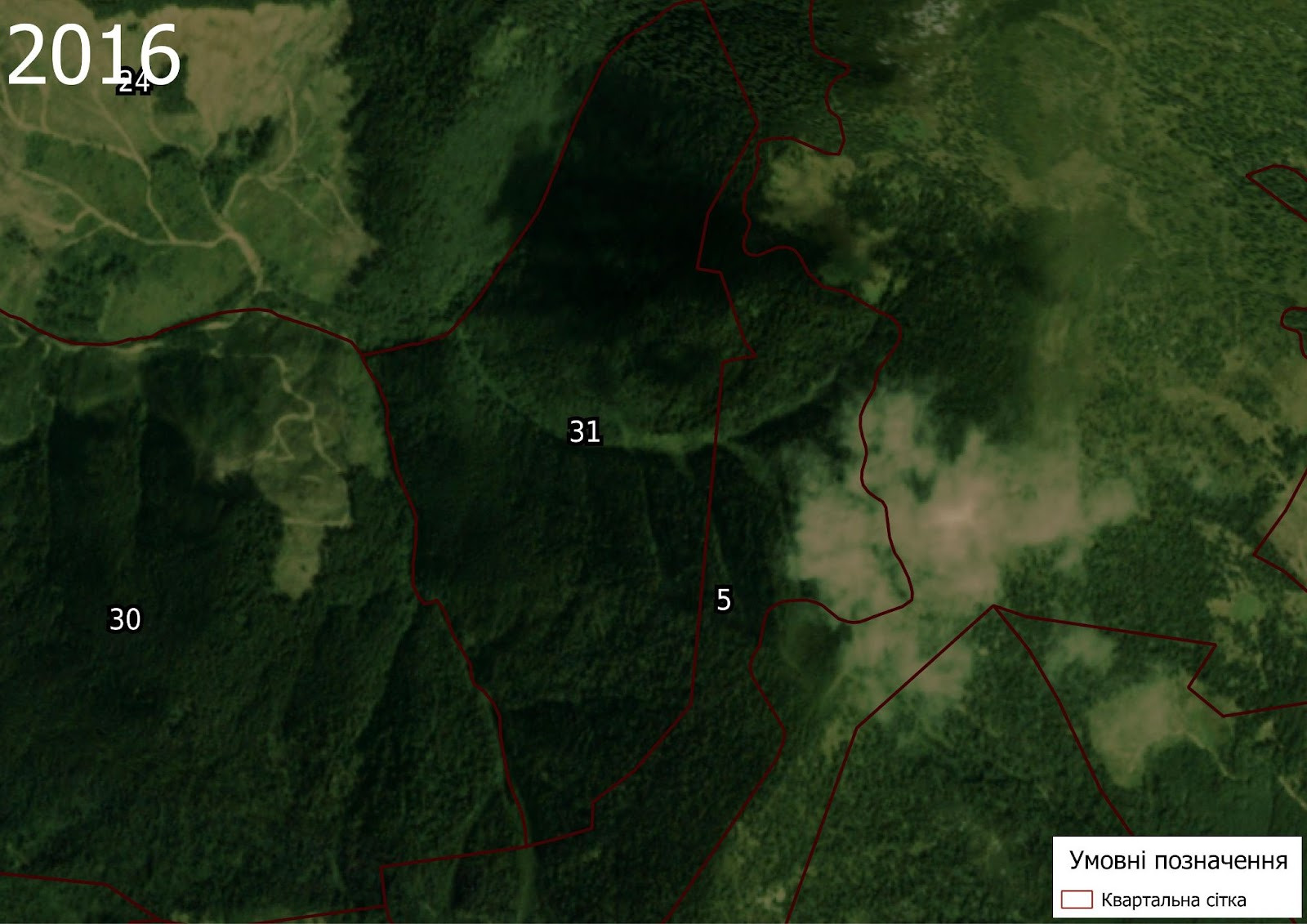
Figure 1. A Planet Basemaps composite image showing the forest cover of the Mokrianske Forestry and Hunting Enterprise (now the Mokrianske Forestry Branch) as of August 2016, with boundaries of the forest blocks that include the Stranzul Botanical Reserve.
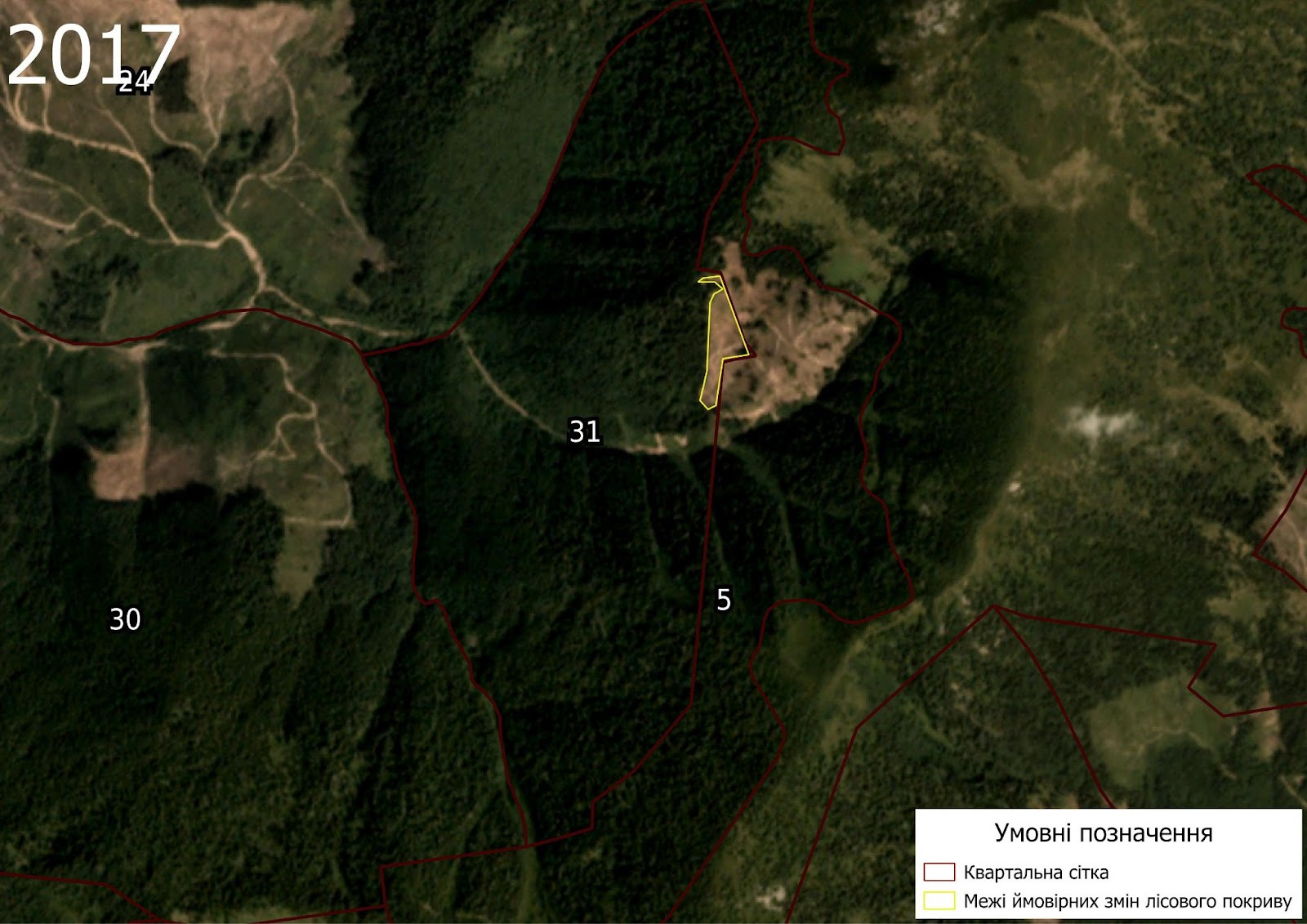
Figure 2. Forest cover of the Mokrianske Forestry Branch with the Stranzul Botanical Reserve (August 2017). Block boundaries are marked in red, and likely forest cover changes are marked in yellow — specifically located in Block 31 (48°27'22.4"N, 23°54'56.8"E).
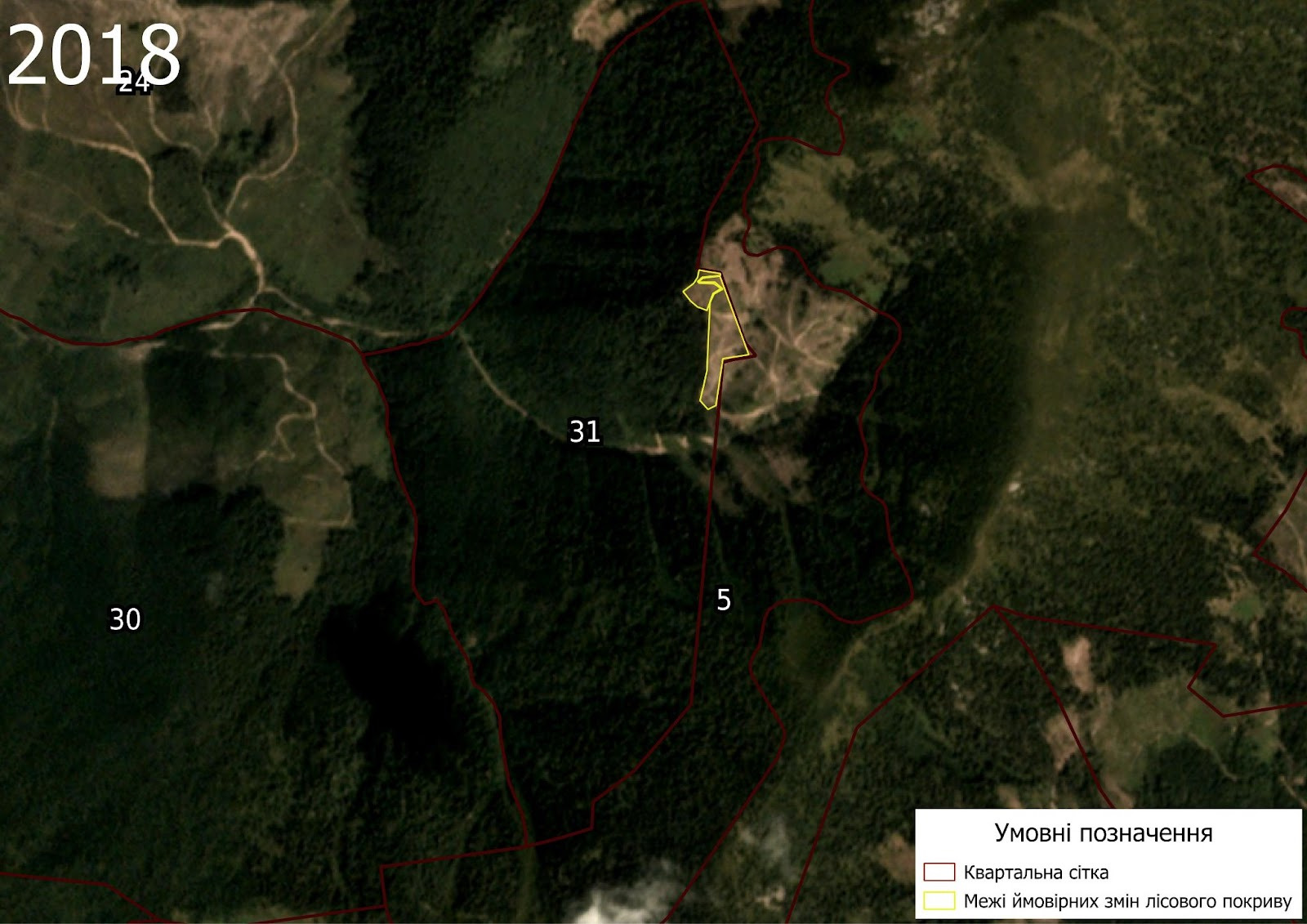
Figure 3. Forest cover of the Mokrianske Forestry Branch with the Stranzul Botanical Reserve (August 2018), with the same color scheme and coordinates as above.
Former director Volodymyr Kutsyn admitted that logging took place, referring to an old complaint about excessive harvesting from an adjacent forest fund. However, the current acting director Yuriy Kostiak denies the existence of such a complaint and justifies the logging as a “boundary shift” from a neighbouring forestry unit. At the same time, he refused to inspect the territory during the winter.
After the first article on the logging was published, forestry officials began actively denying any violations, providing inspection reports and explanatory notes dated 2023–2024. It is true that no logging has been recorded in recent years. However, this does not negate the destruction of forest cover during the earlier period. The remaining stumps stand as undeniable evidence of human intervention in a protected natural area. NGO ForestCom continues to monitor the situation.
The Stranzul Botanical Reserve is not just a plot of forest. It is a unique living ecosystem shaped by nature over centuries. Its destruction would not only mean the loss of rare trees and animals but would also lead to disruptions in the water cycle, climatic balance, soil erosion, and other dangerous ecological consequences for the entire region. If state forestry agencies are unable — or unwilling — to uphold their conservation responsibilities, then the pressing question arises:
Who will be held accountable for the destruction of the most valuable forests in the Carpathians?