- Головна/
- Publications/
- Forests as a Source of Food and Community Well-being: Roundtable Discussion in Lviv
Forests as a Source of Food and Community Well-being: Roundtable Discussion in Lviv
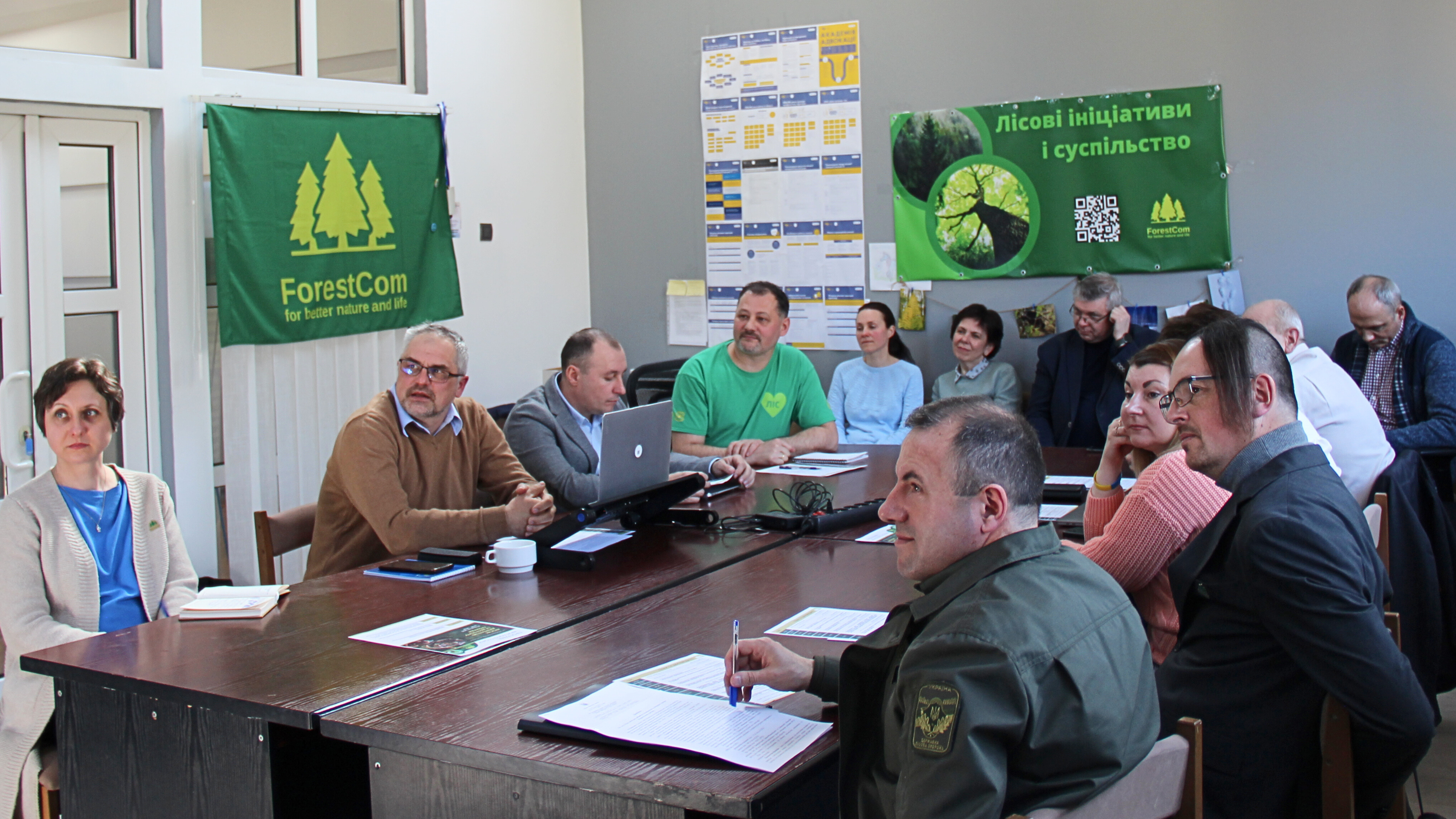
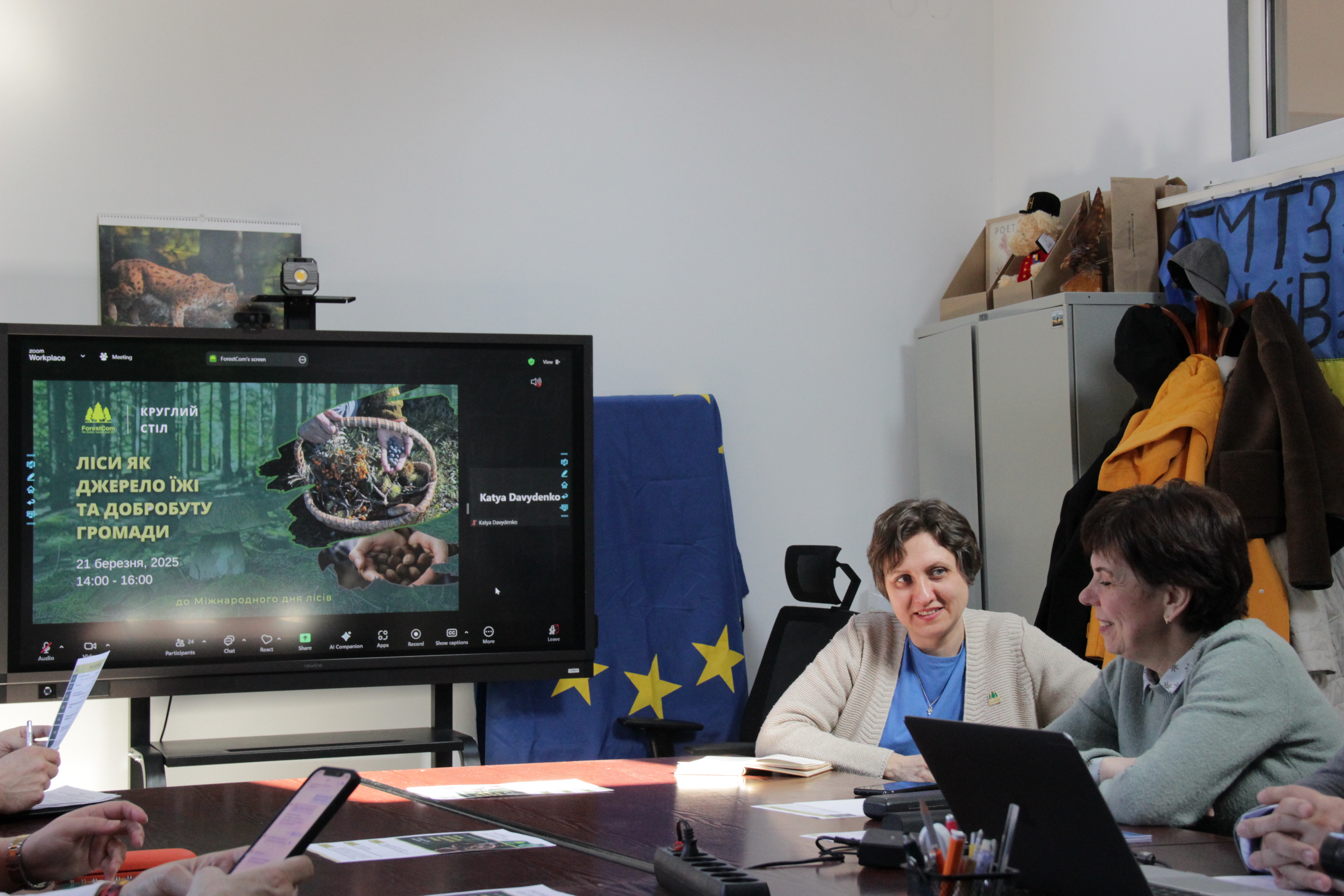
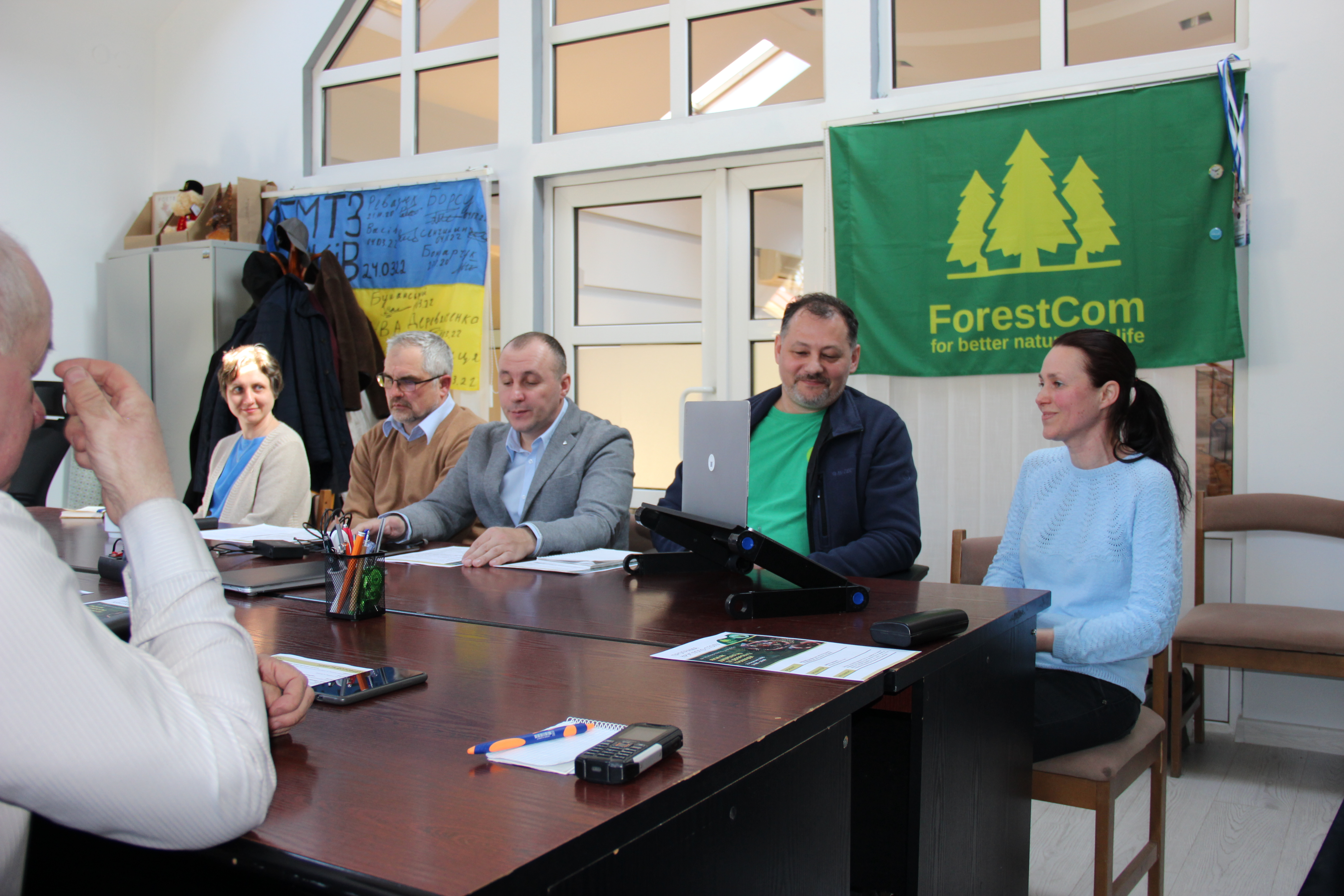
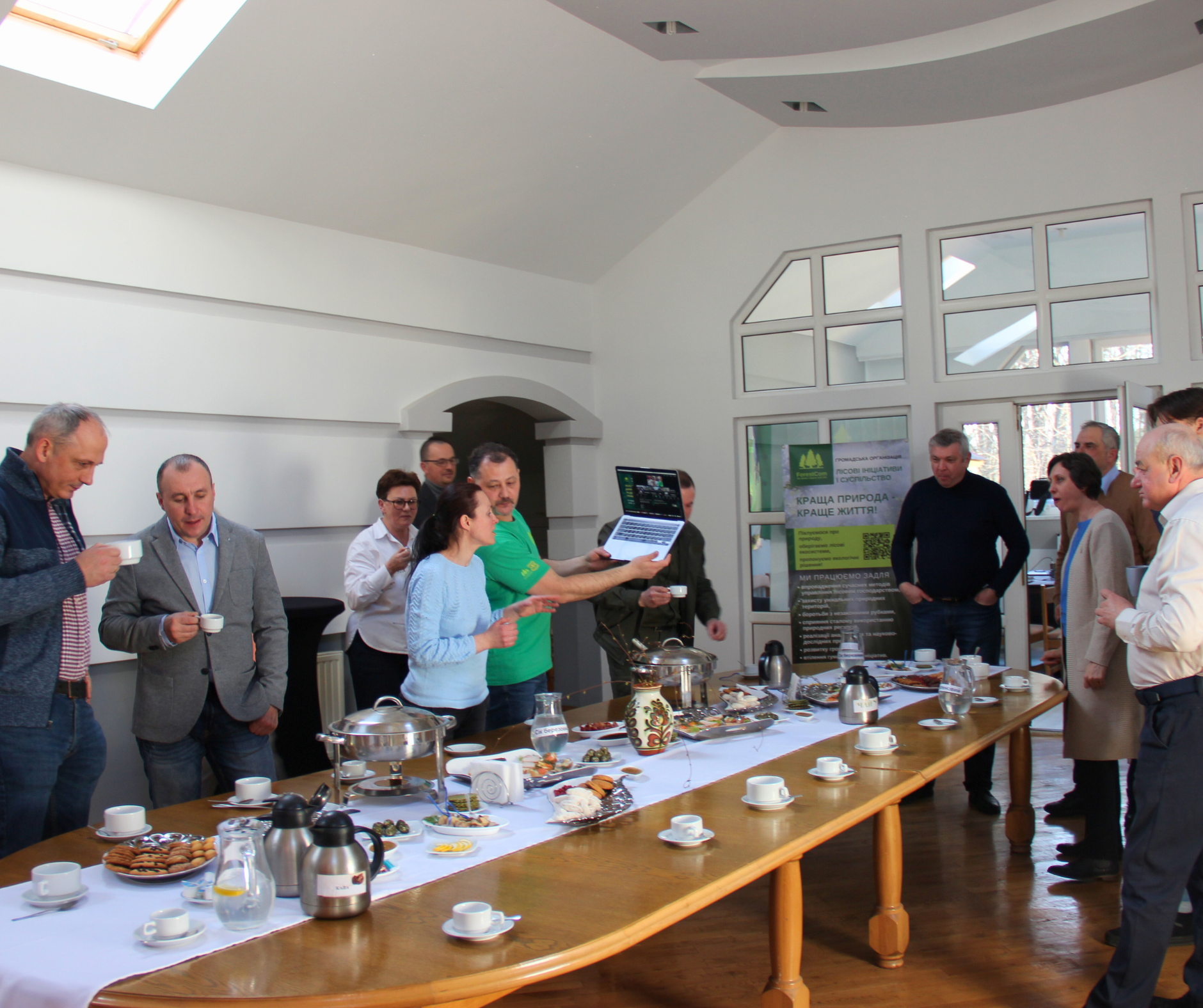
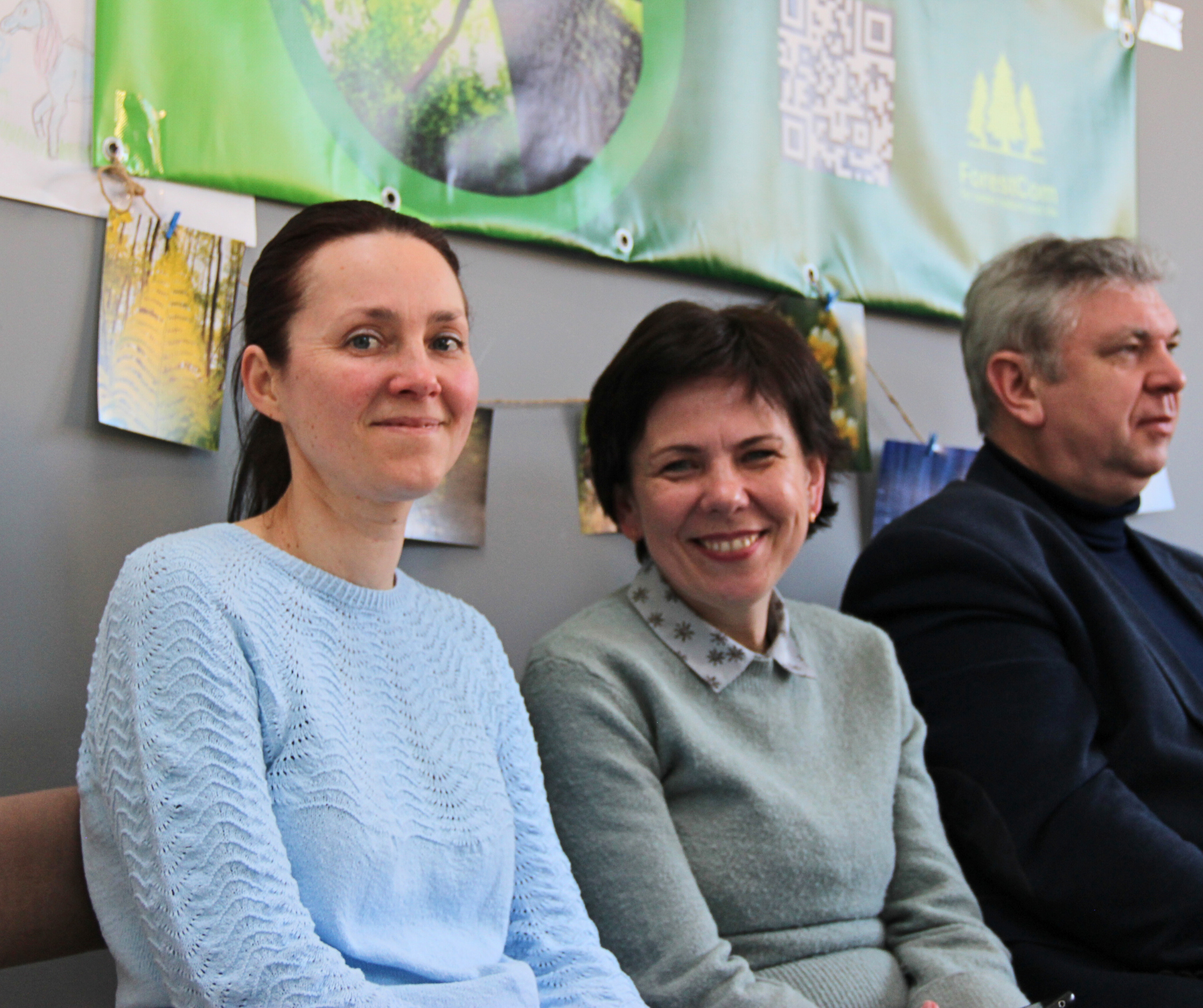
Traditionally, on the International Day of Forests, celebrated globally on March 21st, a roundtable discussion on the theme "Forests as a Source of Food and Community Well-being" took place in Lviv. The theme was chosen intentionally, as the global community this year proposes focusing attention on the critical role of forests in food security, nutrition, and livelihoods, selecting the theme "Forests and Food" for the year. The event, organized by the NGO "Forest Initiative and Communities" (ForestCom) in partnership with the Roztochya Nature Reserve, brought together ten speakers and over a hundred attendees.
Ukrainian forests are much more than just timber and industrial resources. They are unique ecosystems that provide the population with food, medicinal plants, and other beneficial products and materials. They are also a source of income and inspiration, shaping the cultural identity of Ukrainians and contributing to the sustainable development of local communities. In addition to providing food, fuel, income, and jobs, forests support soil fertility, protect water resources, and serve as a habitat for biodiversity, including vital pollinating insects. They are essential for the survival of forest-dependent communities, especially indigenous peoples, and contribute to mitigating the effects of climate change by storing carbon.
Given the significance of forests in community life, the roundtable aimed to highlight the unique role of Ukrainian forests as a source of food security, local community well-being, and national cultural heritage; draw public attention to the role of Ukrainian forests in food security, traditional culture, and ensuring sustainable community development; and conduct a professional discussion on the sustainable use of non-wood forest resources.
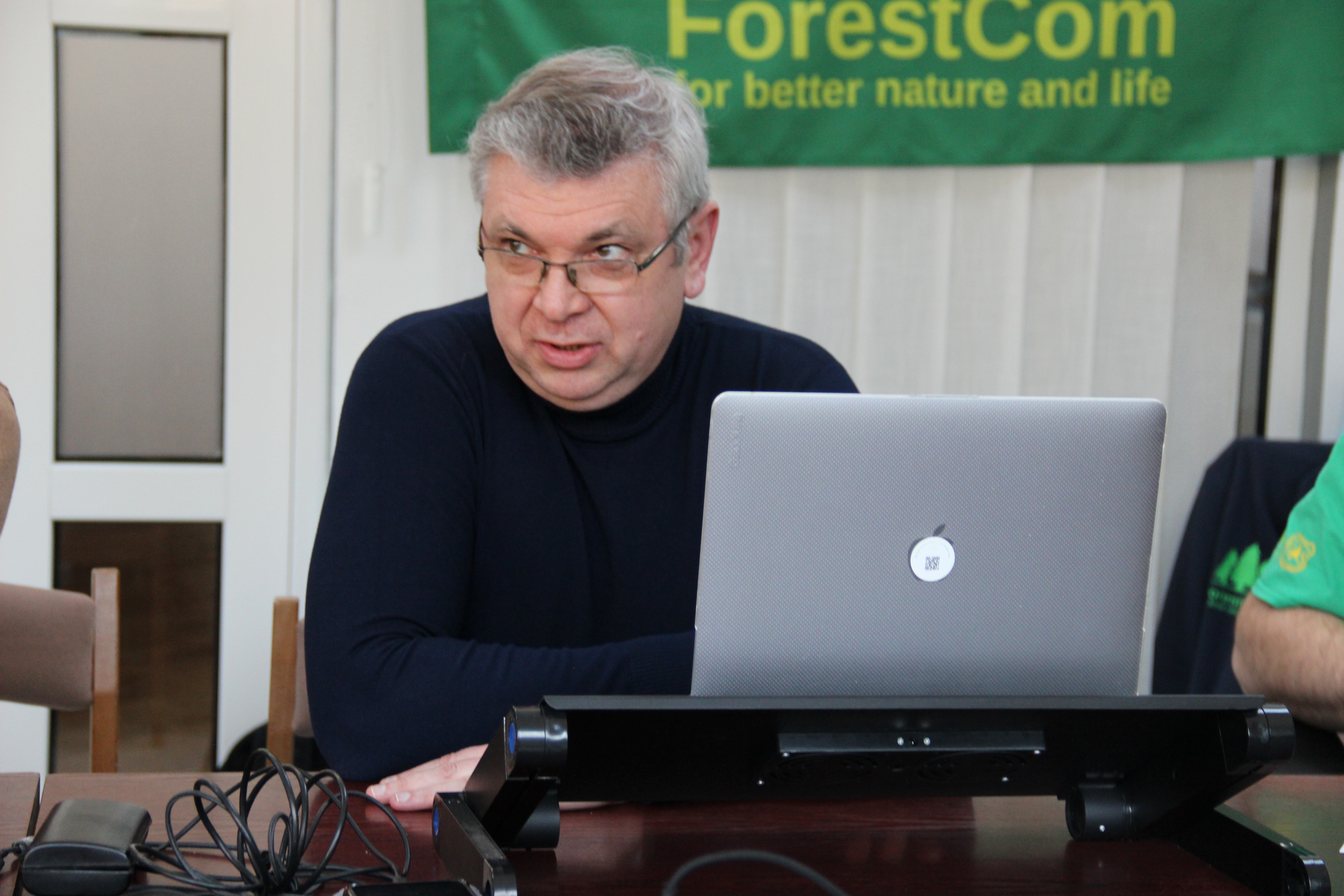
According to Dmytro Karabchuk, ForestCom Executive Director and moderator of the event,
"During our event, we want to demonstrate the value of forests at different levels: firstly, for ordinary people, and secondly, for businesses that can develop by utilizing non-wood forest products. We want to show how state-owned enterprises can develop by using non-wood forest products and discuss aspects related to communities, specifically how non-wood forest resources can impact community development. We will also address the legislative process of incorporating non-wood resource bases into the management plans of state forest enterprises and discuss certification as a driver and component that can stimulate the development of the non-wood forest resources sector."
Ihor Skolskyi, Director of the Roztochya Nature Reserve, addressed the participants with a welcoming speech, sharing his experience in harvesting non-wood resources within the Roztochya Reserve. According to the speaker,
"During such events, we not only share experiences but also set new goals for the future and seek better approaches to harvesting non-wood resources. However, the main condition is to avoid harming nature because we are all interested in preserving our ecosystems. Together, we can do more to preserve our nature and improve our shared future."
Overall, the event brought together scientists, representatives of the expert community (foresters, ecologists), and forest-dependent businesses, as well as state institutions and organizations, who shared their thoughts, developments, and experiences regarding the harvesting, utilization, marketing, legal frameworks, and potential of non-wood forest resources.
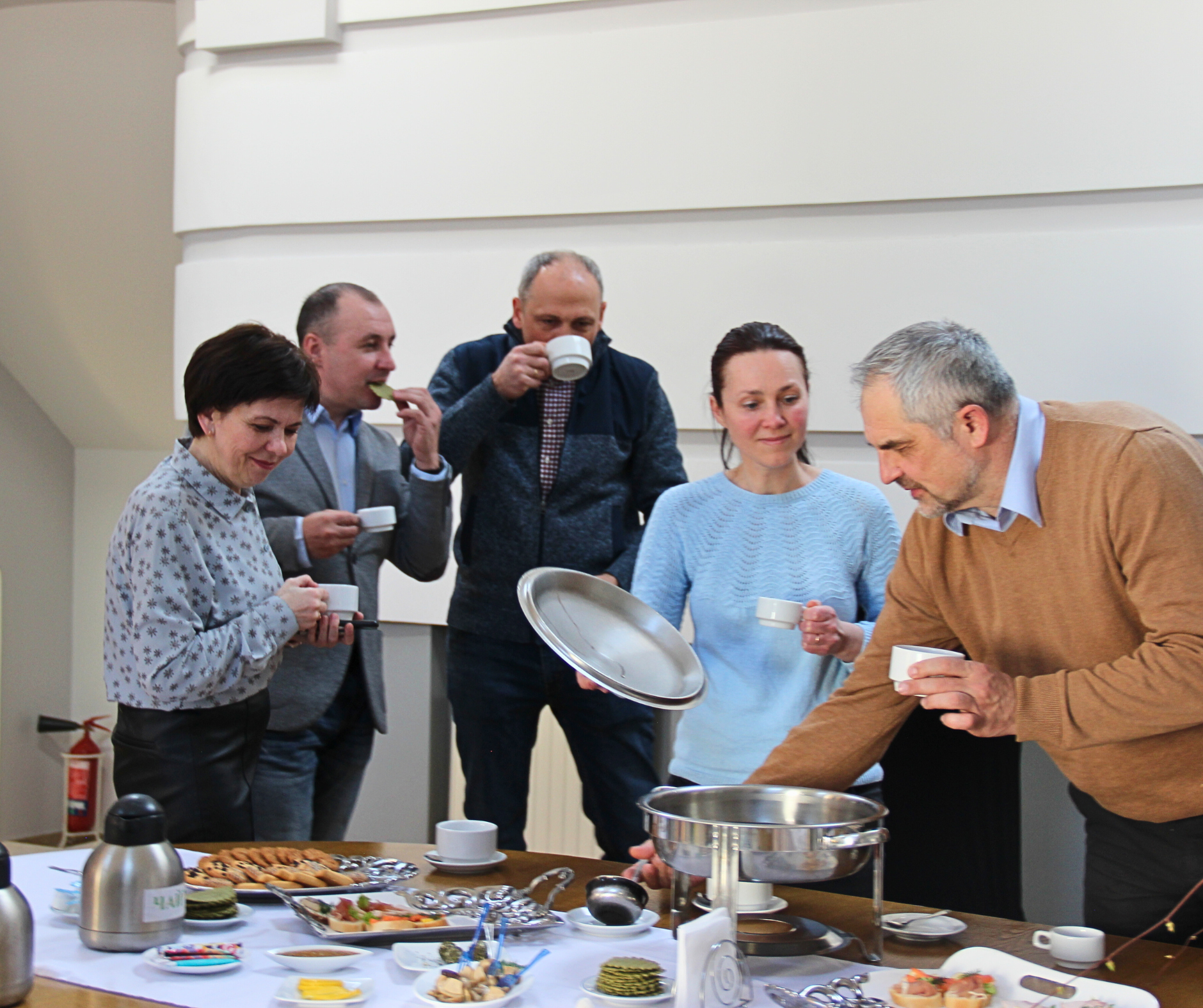
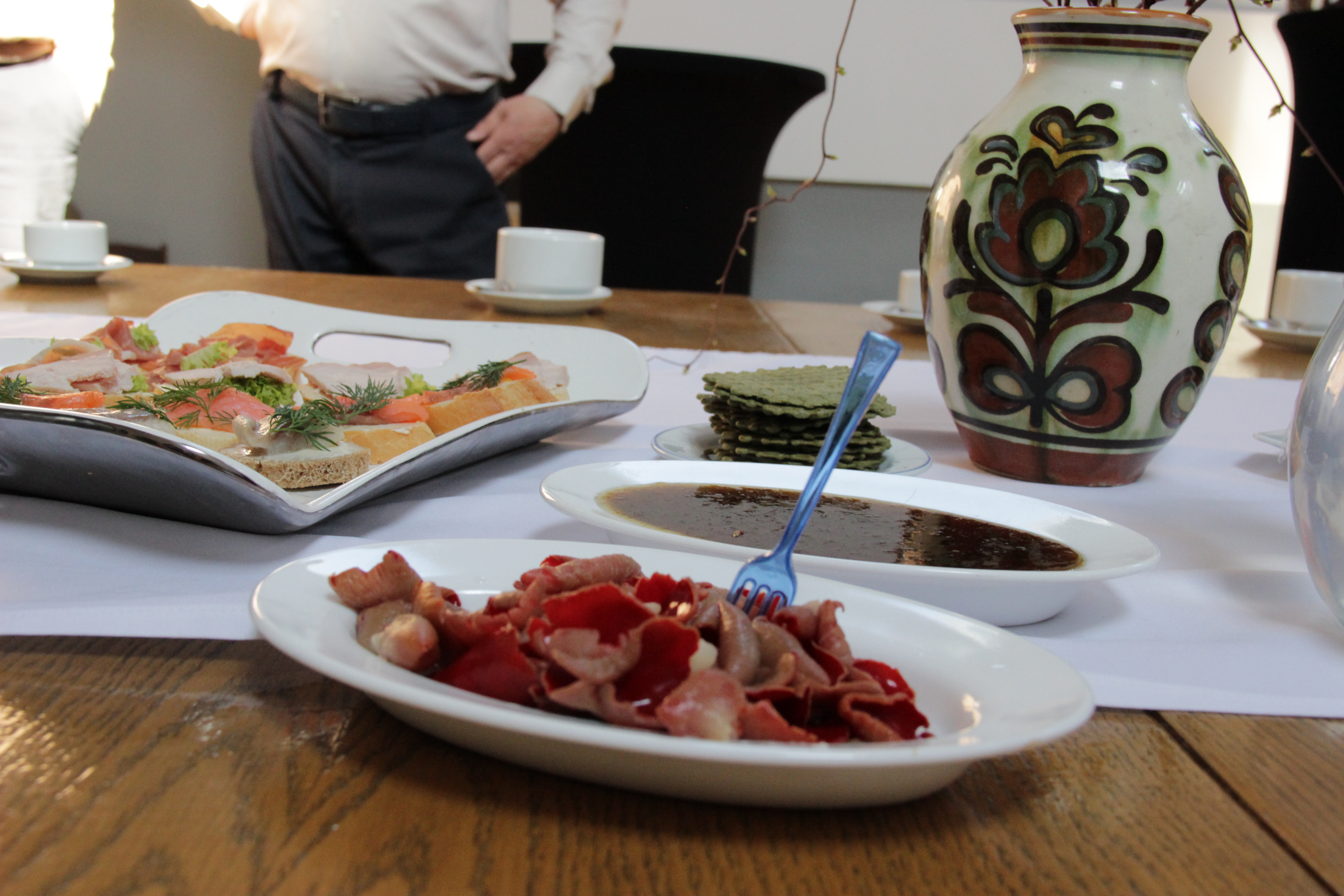
ForestCom special guest, Viktoria Pysana, shared her unique experience and encyclopedic, highly practical knowledge about non-wood forest gifts with the participants. She dedicated much of her life to researching and practically using non-wood forest products in culinary arts. Which winter or spring species of mushrooms or plants do you not only know but could also prepare delicious dishes with? Do you believe that you can visit a "forest supermarket" year-round and diversify your table with not only tasty but also highly nutritious dishes? Our video publication features her exceptional experience.
The presentation by Leonid Osadchuk, Head of the Wood Science Laboratory at ForestCom and a professor at the Ukrainian National Forestry University, was dedicated to the diversity of beneficial forest products in Ukraine and the tradition of using non-wood forest products in the global economy. In particular, it addressed the economic significance of non-wood forest resources, their ecological role, medicinal and nutritional value, social aspects, and their role in the sustainable development of society, especially concerning forest management. The speaker shared thoughts and ideas on how the values of non-wood forest products can be promoted at various levels. According to FAO data, simple figures underscore the importance of non-wood forest resources: approximately 5.76 billion people worldwide use 50,000 wild plant species that play a vital role in human health and nutrition. For 1 billion people, non-wood forest products are essential for survival.
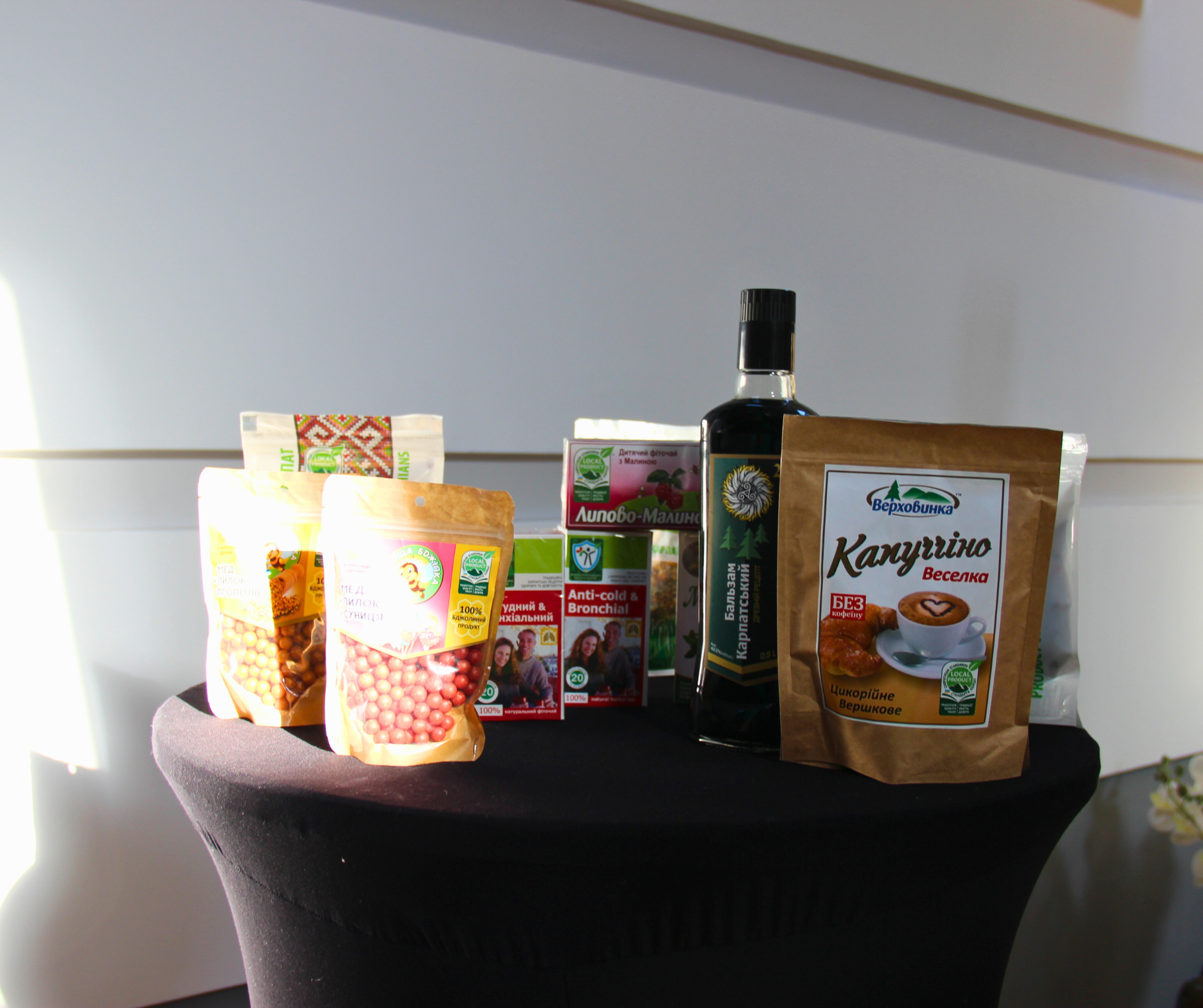
Mykhailo Stovpiuk, the founder of the "Chysta Flora" cooperative, shared his colossal 40-year experience and discussed the achievements, challenges, and problems of running a business based on local non-wood products, offering over 100 different products. It is worth mentioning that the cooperative once developed methodological recommendations for people on the effective use of non-wood forest products while preserving and developing populations. Subsequently, it established an exchange of experience with foreign partners, particularly in collaboration with the Carpathian Trade Mark, where they first presented Hutsul Bryndza cheese as a future product of geographical indication at an international exhibition and conference in Italy. An interesting discovery for many was that the "Chysta Flora" Agricultural Cooperative has the only school of authentic Carpathian horticulture in Ukraine.
Marine Elbakidze, Associate Professor at the Department of Geoecology and Physical Geography of Ivan Franko National University of Lviv and Associate Professor at the Swedish University of Agricultural Sciences, discussed non-wood forest resources in sustainable development, from their collection to health and gastronomic practices, as well as forest farming and wellness practices utilizing non-wood resources. The speaker drew attention to the place of non-wood resources in European priorities and shared the results of scientific research on the use and significance of non-wood resources for humans before and during the war, as well as how the war has affected human interaction with the natural environment.
Oksana Stankevych-Volosianchuk, an ecologist from the NGO "Ekosfera" and Associate Professor at Uzhhorod National University, spoke about non-wood forest resources as part of the local economy. The scientist emphasized how the use of non-wood forest resources is reflected in the vision of local communities in the mountain regions of Ukraine and in the strategic planning documents of local communities, analyzing the development strategies of eight mountain communities in the Zakarpattia region. She drew attention to the economic problems associated with the use of natural plant resources at the local level, appealing to the example of many European countries where the share of non-wood forest products in the total volume of gross forest products is 20-30% and can even reach 50%. According to Oksana Stankevych-Volosianchuk,
"Non-wood forest products are an opportunity for the local economy, especially for mountain regions, where this segment is useful and necessary, as there is no way to develop agriculture."
Valeriy Armanash, Head of the Forestry Department of the State Forestry Western Interregional Directorate, focused on the practical aspects of harvesting non-wood forest products in the communities of the Carpathian region. The speaker emphasized the specifics of harvesting non-wood products for personal use and for income, which in all cases must comply with Ukrainian legislation, established limits, and permits. He also explained the purpose and process of obtaining a forest ticket. According to Valeriy Armanash,
"The non-wood forest product harvesting sector in Ukraine is not sufficiently developed, but it has great potential and prospects for growth. Sooner or later, we will reach the norms where a document, either a certificate or a permit for collection, will be required for the sale of non-wood forest products in markets. This practice has long been accepted in European countries, providing income for both local budgets and business entities."
Yuriy Nestoryak, Head of the Department of Ecosystem Services, Secondary Forest Use, and Recreation of the Forestry Department of the State Enterprise "Forests of Ukraine," discussed how the state enterprise utilizes non-wood resources, drawing attention to the legislative framework for sustainable use of forest resources and specific aspects of the State Forest Management Strategy until 2035, as well as international certification systems. He shared the experience of individual forestry enterprises that sell non-wood forest products, particularly the functioning of the online store for secondary forest use products, "Lisovychok."
Serhiy Haichuk, Head of the Ukrainian Forest Inventory Expedition of the State Forestry Enterprise "Ukrderzhlisproekt," delivered a presentation on how non-wood forest resources are calculated and how harvesting limits are determined. Projecting the use of non-wood forest products in forest management materials is an important step toward sustainable development and the rational use of natural resources. This not only increases the economic efficiency of forestry but also ensures the conservation of biodiversity and ecosystem services of forests.
The potential of FSC certification for non-wood forest products was the subject of a presentation by Pavlo Kravets, Director of FSC Ukraine and a leading researcher at the Ukrainian Research Institute of Forestry and Forest Melioration named after G. M. Vysotsky. FSC standards protect forests because FSC-certified forests comply with the strictest and most reliable standards of sustainable forest management. The speaker explained what a standard for non-wood products is, outlined the requirements for non-wood forest products in the FSC standard for Ukraine, described the certification system that has been in operation in Ukraine for over 20 years, shared figures and facts as of March 1, 2025, and outlined the prospects for FSC certification of non-wood forest products.
Sofiia Shutiak, a lawyer and senior lecturer at the Department of Law and Social Sciences at the Ukrainian National Forestry University, drew attention to the legal regulation of general and special use of plant and animal life, emphasizing financial and management aspects.
Oksana Pavlishchuk, Associate Professor at the National University of Life and Environmental Sciences of Ukraine and a consultant for FSC Ukraine, summarized the event:
"The roundtable systematically raised the entire spectrum of issues related to the use of non-wood forest resources, from legislation, the components of this activity, and the planning system to practical use. From requirements to prospects. The issue was approached comprehensively and multifacetedly."
The roundtable resulted in a jointly adopted resolution.
The PRESENTATIONS of the speakers can be accessed via the provided link.
The RECORDING of the roundtable can be viewed on the YouTube channel of the NGO "ForestCom."