
- Головна/
- Publications/
- Proposals for Improving the Legal Protection of Green Spaces
Proposals for Improving the Legal Protection of Green Spaces
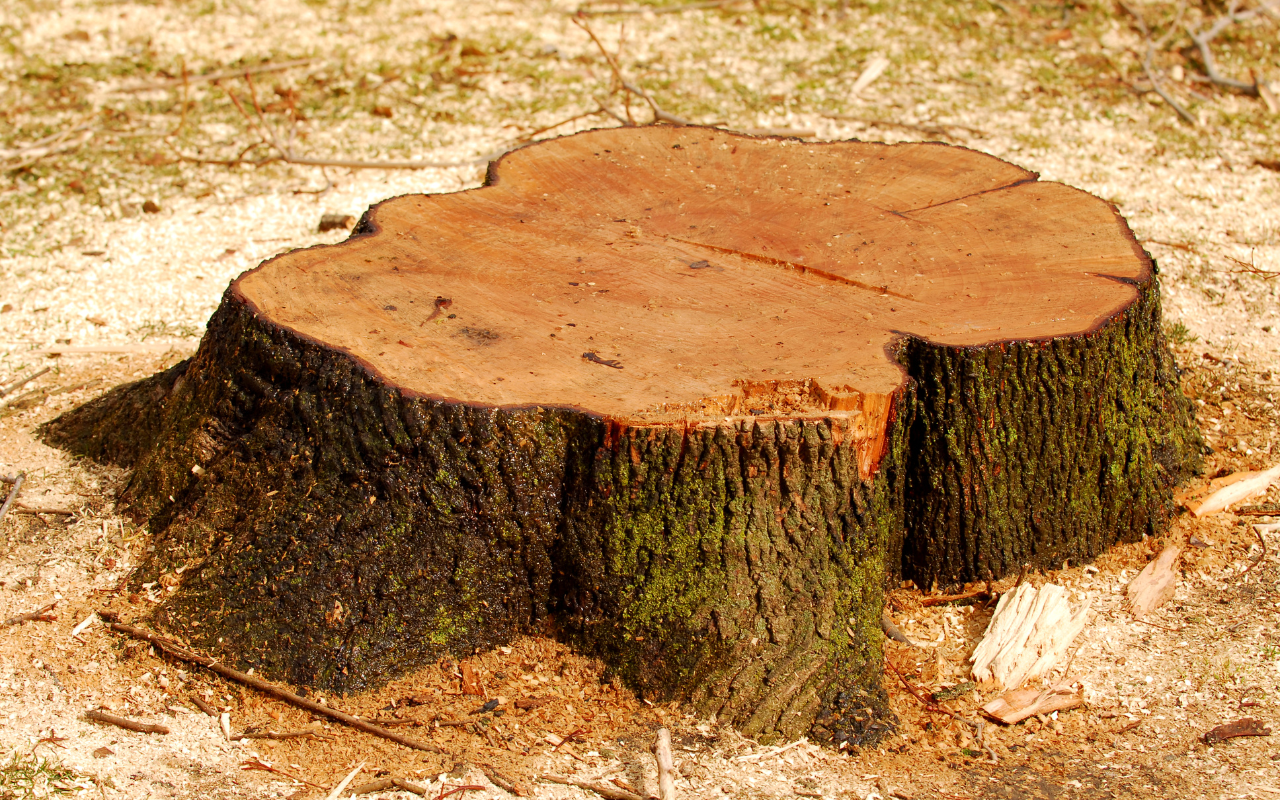
In Ukraine, there is effectively no effective liability for the illegal removal of green spaces within populated areas. Currently, such actions are punishable only by an administrative fine, the maximum amount of which is up to UAH 850. In practice, this penalty is merely symbolic and does not serve a deterrent function.
The situation is further complicated by the fact that the compensation rates for damage caused by the illegal destruction of green spaces have not been revised for more than 25 years. These rates have become economically outdated and do not even cover the market value of the timber obtained as a result of illegal logging. Under such conditions, the illegal removal of trees effectively becomes economically profitable and is no longer restrained by law. This creates a systemic threat to environmental safety, the maintenance of urban green infrastructure, and the interests of local communities.
Within the framework of the project “Advocacy for Removing Legislative Barriers to Improve the Effectiveness of Forest Protection from Illegal Logging,” ForestCom analyzed legal regulation and court practice in cases related to the illegal removal of green spaces.
According to the legislation, green spaces are part of the plant world and an element of urban landscaping and public amenities. At the same time, they do not belong to the forest fund. In practice, however, a significant portion of such vegetation, especially naturally regenerated tree stands, performs the same ecological, protective, and biocenotic functions as forests, particularly when referring to large wooded areas within populated settlements.
In particular, an analysis of court practice shows that the illegal removal of trees in cities is most often classified as arbitrariness (self-help). In most cases, this results in fines ranging from UAH 510 to 850, which is clearly disproportionate to the damage caused.
In addition, the current compensation rates for the illegal removal of green spaces remain extremely low. For example, compensation for the illegal felling of medium- and large-diameter trees may amount to only UAH 1,000–2,800 per tree. At the same time, the market price of firewood timber is approximately UAH 1,200–2,300 per cubic meter. In many cases, therefore, the amount of compensation does not even cover the value of the timber obtained.
Under such conditions, illegal tree felling becomes an economically rational activity, undermining environmental security and the interests of local communities. Most green spaces are owned by territorial communities, and compensation for damage is paid into local budgets; therefore, the current situation also causes them economic losses.
Addressing this problem requires legislative changes. In particular, ForestCom calls for the immediate revision of compensation rates for the illegal removal of green spaces and demands a substantial increase in administrative fines, as well as the introduction of specific criminal liability for such actions.
The publication is produced by NGO «ForestCom» with the support of the Askold and Dir Fund as a part of the Strong Civil Society of Ukraine – a Driver towards Reforms and Democracy project, implemented by ISAR Ednannia, funded by Norway and Sweden. The contents of this publication are the sole responsibility of NGO «ForestCom» and can in no way be taken to reflect the views of the Government of Norway, the Government of Sweden and ISAR Ednannia.